How Crypto Exchanges Work: A Simple Guide for Beginners

Crypto exchanges process billions of dollars in trades every single day, yet most people have no idea what happens after they tap the buy button. You put your dollars in, tap a few buttons, and suddenly you own digital coins. It feels like magic, but it is really just a digital market working behind your screen.
At its core, a crypto exchange is a middleman that connects people who want to buy crypto with people who want to sell it. The platform matches your order with someone else's order, takes a tiny fee for doing the work, and updates your account balance. That is the simple truth of how these websites move money around the clock.
What is a Crypto Exchange and Why Do You Need One?
Think of a crypto exchange like a giant online farmers market. If you want to buy apples, you need a place where apple farmers gather. In the world of Cryptocurrency, you cannot just walk into a normal bank to buy digital coins. You need a place where millions of buyers and sellers meet in real time.
Without an exchange, buying coins would be a nightmare. You would have to post on a message board, find a stranger who owns the coin you want, agree on a price, send them your cash, and hope they do not run away with your money. An exchange makes this process safe and fast. It holds the money and the coins until both sides fulfill their end of the deal.
Most beginners use central exchanges when they start out. Companies run these websites like modern banks. You make an account, log in with a password, and see your balance on a clean screen. It feels safe and familiar, which is why millions of people start their journey here.
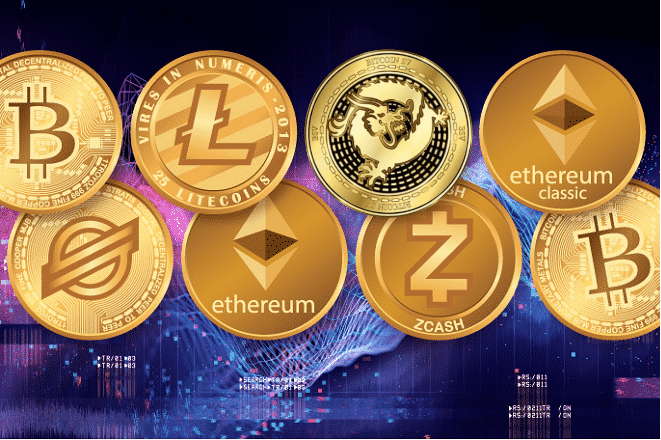
Centralized vs Decentralized: The Two Main Types
Not all trading platforms work the same way. You will hear people talk about centralized and decentralized platforms, but the core difference comes down to who holds the keys to the building.
Centralized exchanges are run by private companies. Coinbase, Binance, and Kraken are big names in this space. They store your money for you, just like a bank. If you forget your password, you can hit a button to reset it. This makes them easy to use, but it means you must trust the company to keep your money safe.
Decentralized exchanges work without a central boss. Instead of a company running the show, smart computer code matches buyers and sellers directly from their private wallets. You do not create an account or give your name. You just connect your own wallet and trade. If you lose your keys here, no customer support team can help you get your cash back.
If you are still learning the basics of digital money, reading about What is Bitcoin in Simple Words: A Clear Guide for Beginners will help you understand why these different platforms exist in the first place.
How an Exchange Matches Buyers and Sellers
When you click buy, you are not buying from the website itself most of the time. You are buying from another human being across the world. The website uses a tool called an order book to make this match in a fraction of a second.
Imagine a giant wall with two columns. On the left side, buyers list the highest price they are willing to pay. On the right side, sellers list the lowest price they are willing to accept. When a buyer's price matches a seller's price, the computer executes the trade instantly. The seller gets the cash, the buyer gets the coins, and the order book updates.
Here is a real example of how fast this happens. In 2024, major platforms handled over one hundred thousand trades every single second during busy market hours. The order book matches thousands of small buyers buying fifty dollars of coin with big traders selling millions of dollars of coin without anyone waiting in line.
The Step-by-Step Process of Making Your First Trade
Trading coins might sound hard, but the actual steps look a lot like buying shoes online. Here is what happens from start to finish when you use a platform.
- Step 1: Sign up and check your identity. You give your email, pick a strong password, and upload a picture of your ID. Platforms do this to stop criminals from hiding money.
- Step 2: Deposit cash. You link your normal bank account and send cash to your exchange balance. This can take a few minutes or a few days depending on your bank.
- Step 3: Pick your order type. You choose which coin you want to buy and how you want to buy it. You can buy at the current price or set a target price for later.
- Step 4: Execute the trade. You review the total cost, hit the buy button, and the system matches your order with a seller.
- Step 5: Store your coins. The new coins show up in your account balance right away, ready to hold or move.
Understanding these steps is key to taking your first safe actions in the market. To learn more about setting up your account, check out our guide on crypto trading safety rules to protect your funds right from day one.
Market Orders vs Limit Orders Explained Simply
When you place a trade, the screen will ask you to choose an order type. The two most common options are market orders and limit orders. Picking the wrong one can cost you extra money if you are not paying attention.
A market order means "buy it right now at whatever price is ready." It is fast and simple. If Bitcoin costs thirty thousand dollars right now, your trade fills instantly at that price. The downside is that in fast markets, the price might jump a few dollars up or down between the moment you click and the moment the order finishes.
A limit order means "buy it only if the price drops to this exact number." You set the price yourself. If a coin is selling for twenty dollars, you can set a limit order for eighteen dollars. Your trade will sit on the order book waiting. If the price never drops to eighteen dollars, your trade never happens. It gives you total control over your price, but you might miss out if the market moves away from you.
How Crypto Exchanges Make Money and What They Charge
Crypto exchanges are businesses, and they do not run these complex websites for free. They make money by charging small fees on every transaction you make.
The most common fee is the trading fee. Every time you buy or sell, the exchange takes a tiny percentage of the total trade, usually between 0.1% and 0.5%. If you trade one hundred dollars, they might keep ten to fifty cents. That sounds small, but across millions of trades a day, it adds up to massive profits for the company.
Exchanges also charge deposit and withdrawal fees. Depositing money from a bank is often free, but using a debit card can cost you 3% or more in processing fees. Taking your cash or your coins off the website and moving them to your bank or your own wallet almost always costs a flat fee. Always check the fee page before you trade so you do not get surprised by hidden costs.
The Real Risks of Keeping Your Money on an Exchange
Exchanges make buying easy, but leaving your life savings on them comes with real dangers that every beginner must understand. When your coins sit on an exchange, you do not actually control the secret keys to those coins. The exchange holds them for you.
The first risk is exchange failure. If a platform goes bankrupt, your funds can get locked up in court for years. In 2022, when the massive exchange FTX collapsed, over one million users lost access to their money overnight. Unlike normal bank accounts, crypto balances on an exchange are usually not insured by the government if the company goes broke.
The second risk is hacking. While modern exchanges spend millions on security, hackers constantly attack them. If someone steals your password because you used a weak phrase or clicked a bad link, they can sweep your account clean in seconds. Turning on two-factor check with an app on your phone is the single best way to protect your account from this kind of theft.
So, how should you handle your money after learning how these platforms work? Use an exchange to buy your coins, but do not treat it like a long-term storage unit for cash you cannot afford to lose. Transfer large amounts off the platform into a private wallet that only you control. What is the very first security step you will take on your account today?


Comments
Post a Comment