What Is Bitcoin in Simple Words: The Complete Beginner Guide
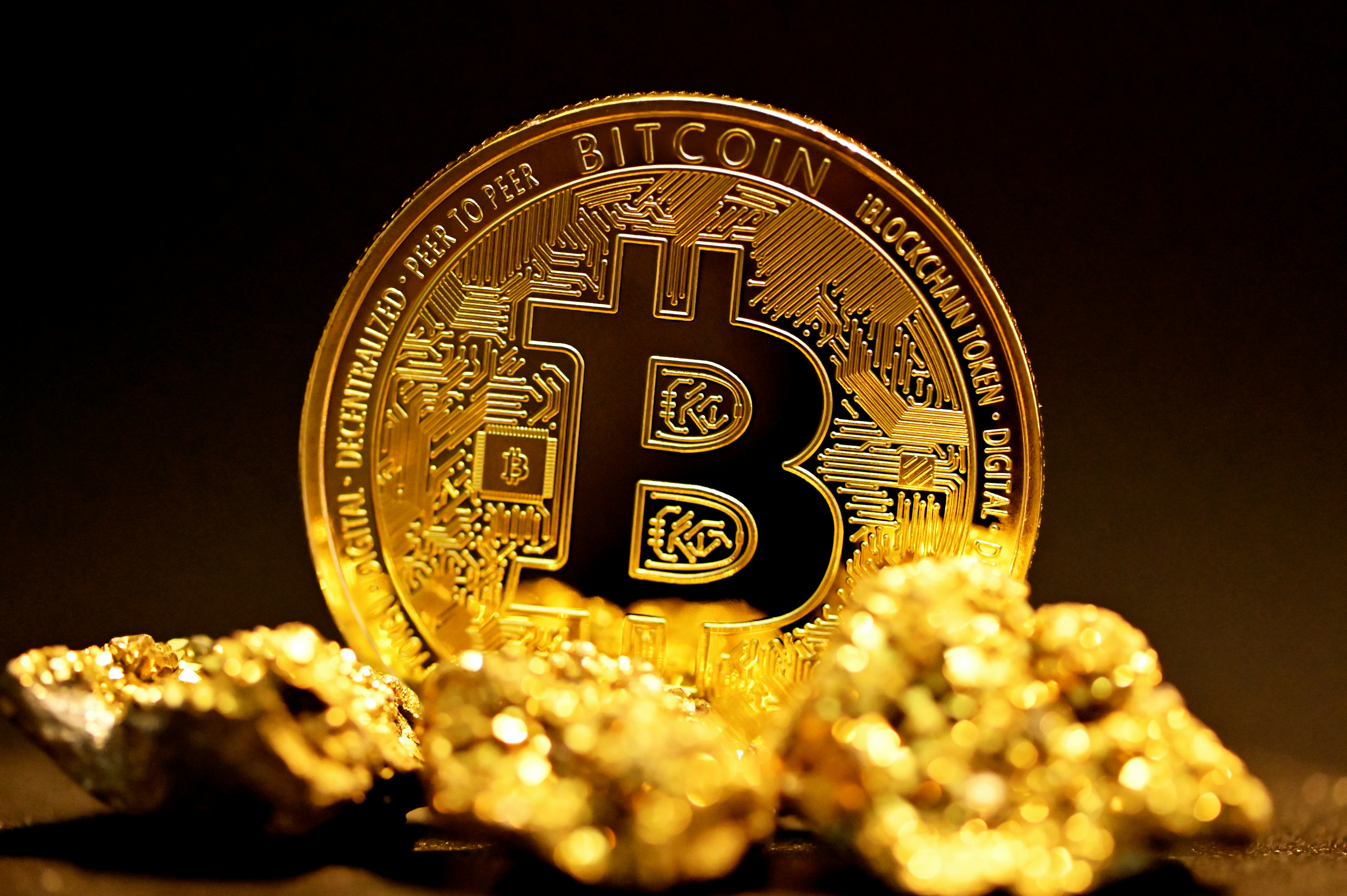
Bitcoin is digital money that you can send to anyone over the internet without using a bank. You store it in a phone app, and no government controls it. It works like cash, but it lives completely on your computer or phone.
If you take away all the tech talk, Bitcoin is just a shared list of balances. Millions of computers around the world keep a copy of this list. When you send money, every computer updates its copy at the same time. That simple idea changes how money works.
What Is Bitcoin and How Does It Actually Work?
Think about how normal money works today. When you send twenty dollars to a friend through a bank app, the bank checks your account. They make sure you have the money, subtract it from your total, and add it to your friend's total. The bank acts as the middleman who keeps everyone honest.
Bitcoin cuts out that middleman entirely. Instead of one bank holding the record book, thousands of computers hold it together. People call this software system a peer-to-peer network. When you want to send money, your phone tells all those computers at once.
Those computers check the public ledger to see if you really own that money. If the math checks out, they approve the transfer. The whole process takes about ten minutes, whether you send cash to your neighbor or to someone across the ocean. You can learn more about the history of Bitcoin on its main history page.
No single person owns this network. No company manages it, and no president can turn it off. It runs on code that anyone can inspect for free.

How Do People Get Their First Bitcoin?
Getting your hands on digital coins is much easier than it was ten years ago. Most people buy them on an online market using regular money from their bank account.
First, you download an app or sign up on a computer. You prove who you are by showing an ID, which keeps the system safe from fraud. Next, you link your bank account or debit card. Then, you pick how much money you want to spend and hit buy.
You do not need to buy one whole coin. Right now, a single coin costs tens of thousands of dollars, which scares off many beginners. But each coin splits into 100 million smaller pieces called satoshis. You can easily buy five dollars' worth or twenty dollars' worth to test things out.
Some people earn coins by selling items online, while others receive them as payment for work. But for most beginners, buying a small amount through an app is the simplest path forward.
Where Is Your Bitcoin Stored?
You do not store digital coins in a leather wallet in your back pocket. You do not even store the actual coins on your phone. Instead, your money lives on the public network, and your phone app holds secret keys that unlock it.
Think of it like a public mailbox made of clear glass. Anyone walking down the street can look inside and see what is in there. But only you have the physical key that opens the back door to take the contents out.
Your secret key is a long string of numbers and letters. Your app hides this hard key behind a simple password or fingerprint scanner. If you lose that secret key, you lose your money forever, because no customer service team exists to reset your password.
This self-control feels empowering to many people, but it brings real duty. You are your own bank, so keeping those keys safe is the most important step you will take. If you want to dive deeper into general coin safety and trade rules, check out our home on crypto basics for beginners.
Why Do Bitcoin Prices Change So Quickly?
If you check coin prices today and look again tomorrow, the numbers will likely change. Sometimes they go up fast, and sometimes they drop hard in a single afternoon. Why does this happen?
The price changes because of simple supply and demand. The total number of coins that will ever exist is locked at 21 million. No one can print more of them, not even the creator. Today, about 19.7 million of those coins are already out in the world.
When millions of people suddenly want to buy, but nobody wants to sell, the price shoots up. When bad news hits or people get scared, many try to sell at the same time, and the price falls. To see how these market swings play out across different coins, read our guide on Why Crypto Prices Go Up and Down: A Simple Guide.
Regular money like dollars or euros changes value slowly because central banks step in to smooth things out. Digital money does not have a safety net. The price is whatever people agree it is worth at any exact second.
What Are the Real Risks You Should Know About?
We cannot talk about digital money without talking about risk. This market is new, wild, and largely untamed. You can make money, but you can also lose every single dollar you put in.
First, price swings can hurt. Imagine putting 100 dollars into an account on Monday, only to see it drop to 60 dollars by Thursday. If that thought keeps you awake at night, this asset class might not fit your life right now.
Second, scams are everywhere online. Fake websites copy real login pages to steal your private keys. Strangers on social media promise to double your money if you send it to them first. They will steal it every single time.
Third, technical mistakes happen to real people. If you type the wrong destination code during a transfer, your funds vanish into thin air. No bank clerk can undo a mistaken transaction on this network.
- Never invest money you need for rent, groceries, or emergencies.
- Double check every receiver address before you press send.
- Ignore direct messages from strangers offering investment advice.
- Keep your password and recovery phrase written on paper, off the web.
How Does Bitcoin Compare to Regular Cash?
Cash works great when you stand inside a shop and hand a five-dollar bill to a cashier. It is private, fast, and needs no power or internet connection to work. But cash fails when you want to send money to your family in another country.
International bank transfers take three to five business days. They charge high fees, sometimes taking ten percent or more of your total. Bank apps also close on weekends and holidays, stopping your money in its tracks.
Digital money stays open 24 hours a day, 365 days a year. A transfer to Japan takes the same ten minutes as a transfer to your next-door neighbor. The fee stays roughly the same whether you send ten dollars or one million dollars.
Yet regular cash still wins on daily stability. Bread costs about the same amount of cash today as it did last week. Digital currency moves too fast for most local coffee shops to list prices in it. You can learn more about general cryptocurrency concepts through this open background resource.
Is Bitcoin Safe for Beginners to Use?
The network code itself has proven safe for over fifteen years. Nobody has ever hacked the main mathematical chain. The main danger comes from human mistake, bad storage habits, and sneaky scam websites.
If you decide to try it, start very small. Put in an amount you could drop on the sidewalk without crying over it. Spend five dollars, try sending it to a friend, and see how the app works.
Treat this space like learning to drive a car. You would not jump straight onto a busy highway without practice. You start in an empty parking lot, moving slow, learning what every pedal does.
Take your time, read everyday guides, and never let anyone rush your choices. Digital money is a tool, and knowing how it works is the best shield you have.
Have you ever thought about trying digital cash, or does the tech still feel a bit strange? Start by downloading a trusted wallet app today just to see how the interface looks.


Comments
Post a Comment